who should i hire for a bathroom remodel near me?
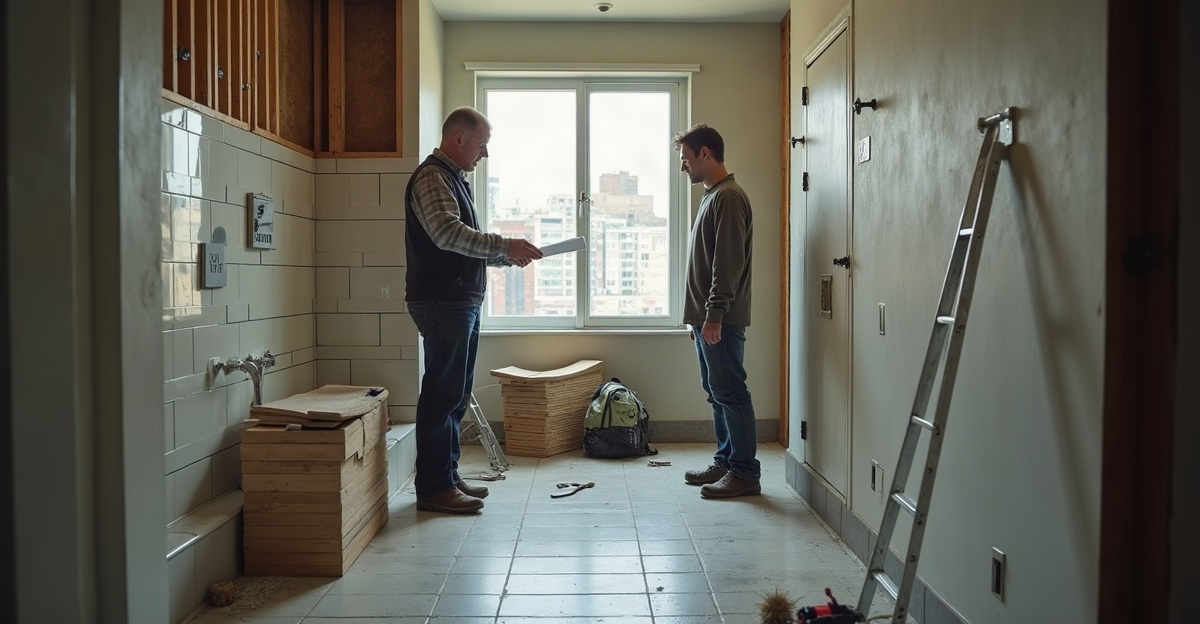
For a full bathroom remodel nearby, we recommend hiring a qualified bathroom remodeling contractor or general contractor. This professional can coordinate demolition, plumbing, electrical work, waterproofing, tile installation, scheduling, and building requirements. The best choice depends on the project scope. Layout changes, multiple trades, permits, or NYC co-op and condo rules require experienced oversight and clear accountability.
Key Takeaways
- Choose a bathroom remodeling contractor or general contractor for full renovations with multiple trades, layout changes, waterproofing, and project coordination.
- Hire licensed plumbers and electricians for required plumbing, drainage, wiring, lighting, outlet, and safety work.
- Use a bathroom designer to plan layouts, improve storage and accessibility, and select finishes before construction starts.
- Verify experience with similar projects, insurance coverage, trade qualifications, on-site supervision, communication methods, and building approval processes.
- Compare detailed written estimates by scope, allowances, exclusions, waterproofing, site protection, cleanup, schedule, and change-order procedures—not price alone.
Choosing the Right Professional for a Bathroom Remodel
For a full bathroom remodel involving several trades, we typically hire a qualified bathroom remodeling contractor or general contractor as the central professional. This professional coordinates demolition, plumbing, electrical work, waterproofing, tile installation, scheduling, inspections where applicable, and site supervision.
The right hire depends on the project scope, building type, and whether the work affects plumbing, electrical, ventilation, layout, or other regulated elements. A full remodel requires careful coordination because each phase depends on the work completed before it.
A bathroom remodeling contractor is usually the best fit for full renovations, layout changes, and projects with multiple trades. A licensed plumber may be needed for repairs, fixture replacement, supply or drain changes, and fixture relocation where applicable. Licensed plumbing and electrical work should be completed by qualified professionals when the scope requires it.
A licensed electrician may be needed for new circuits, lighting, outlets, wiring, and electrical safety upgrades. A bathroom designer can help us plan the layout, improve storage, select fixtures and finishes, and create a cohesive result before construction starts. For substantial layout changes, complicated existing conditions, or work that may require architectural drawings, an architect may be appropriate.
A handyman can be suitable for minor cosmetic tasks, such as replacing accessories or painting outside wet areas. A full bathroom remodel should not be treated as a simple handyman project. It may involve demolition, water systems, electrical work, ventilation, waterproofing, permits and inspections, and building approvals.
What a Bathroom Remodeling Contractor Coordinates
A capable contractor does far more than perform individual tasks. We help define the scope, coordinate qualified trades, sequence the work correctly, protect the site, manage communication, and monitor quality throughout construction. That coordination keeps a bathroom remodel moving in the right order and reduces gaps between trades.
A typical sequence begins with site protection and demolition. Plumbing and electrical rough-ins follow, then substrate preparation, waterproofing, inspections where applicable, tile and finish installation, fixture installation, cleanup, and closeout.
The work behind the finished surfaces determines long-term performance. Waterproofing must be installed correctly before tile. Substrates need proper preparation so tile remains secure. Drainage needs accurate slope and sound connections. Ventilation must address moisture effectively, while electrical work must follow applicable safety requirements.
Attractive tile, cabinetry, and fixtures cannot correct poor underlying work. We confirm waterproofing steps before tile installation, plan material lead times early, and coordinate deliveries with building management where needed. In apartments, we also protect common areas, reserve elevators if required, and follow approved work-hour rules.
A bathroom designer is especially useful before construction when we are changing the layout, improving accessibility, maximizing a small NYC bathroom, selecting several finishes, or solving storage and functionality problems. Our design and planning services help establish clear decisions before demolition begins.
Costs and schedules depend on the project scope, layout changes, building restrictions, material lead times, existing conditions, approvals, and permit requirements. A detailed site assessment and written scope of work provide the best basis for realistic planning.
NYC Building Requirements to Confirm Before Work Begins
An NYC bathroom remodel can involve building requirements beyond the construction work itself. Co-ops, condos, townhouses, and multifamily homes often have different procedures, restrictions, and approval standards.
For a co-op renovation or condo renovation, an alteration agreement and management or board approval may be required before work starts. Buildings may also require certificates of insurance that meet specific coverage and wording requirements. We should confirm that a contractor’s insurance documentation is accepted by the building before scheduling deliveries or beginning demolition.
Practical logistics matter as much as the construction plan. Building policies may set work-hour limits, elevator reservation procedures, loading dock rules, debris removal methods, delivery windows, and common-area protection requirements. Missing one of these steps can delay a project even when the construction plan is sound.
Permits and inspections often depend on the project scope, property type, borough, and building rules. Not every bathroom renovation requires permits, architectural plans, or board approval. Requirements often depend on the work involved, the building, and local regulations.
Before work begins, we should confirm applicable Department of Buildings requirements, trade licensing requirements, permits and inspections, and building policies with qualified professionals and relevant authorities. Our renovation process centers on early planning and clear project coordination.
How to Vet Local Bathroom Remodeling Contractors
Finding a local bathroom remodeling contractor requires more than comparing online reviews or choosing the closest company. We should verify relevant experience, insurance, scope clarity, communication practices, and daily supervision.
Ask to see comparable completed bathroom remodels, especially NYC apartments or similar building types. This helps confirm that the contractor understands tight spaces, occupied buildings, building logistics, and multi-trade coordination. Our renovation portfolio can help demonstrate the value of reviewing completed work rather than relying on broad claims.
A strong contractor should provide current insurance documentation accepted by the building when applicable. We should also confirm relevant licenses and qualified trade partners for plumbing and electrical work. These details help reduce access problems and ensure appropriate professionals handle regulated work where applicable.
Before making a decision, we should ask about the following:
- Recent references, including communication, cleanliness, schedule management, change handling, and post-project support.
- A written scope of work covering demolition, plumbing, electrical, waterproofing, tile, fixtures, finishes, cleanup, and exclusions.
- A payment schedule tied to defined project milestones rather than vague or heavily front-loaded payments.
- An estimated schedule, expected material lead times, and a communication process for decisions and unforeseen conditions.
- The project supervisor or primary point of contact responsible for day-to-day coordination and on-site communication.
- The warranty or post-project service process, explained clearly without unrealistic guarantees.
How to find a bathroom remodeling contractor near me comes down to verifying experience, scope, insurance, communication, and supervision. Price matters, but the lowest price rarely gives a complete view of project quality or accountability.
How to Compare Bathroom Remodel Estimates Without Choosing on Price Alone
A bathroom remodel estimate should be compared on a like-for-like basis. The bottom-line figure alone does not show whether each contractor included the same work, materials, protection measures, or responsibilities.
We should review each estimate for its written scope of work, allowances, material selections, exclusions, permit or filing responsibilities, schedule assumptions, and responsibility for building protection and debris removal. If one proposal includes complete waterproofing, licensed plumbing and electrical work, site protection, and cleanup while another omits those items, the estimates are not comparable.
Unusually low estimates may exclude important work, use lower-quality materials, or fail to account for site conditions. Ask what is included for demolition, plumbing, electrical, ventilation, waterproofing, tile preparation, fixtures, finishes, cleanup, and building coordination.
Existing conditions discovered during demolition can affect the scope. Concealed water damage, outdated plumbing, uneven substrates, or electrical issues may require change orders. We should ask how the contractor documents these conditions, communicates options, and prices approved changes.
A clear bathroom remodeling contract should identify the scope, materials or allowances, payment milestones, estimated schedule, communication process, change-order procedure, insurance information, and warranty or service process. Transparent planning and a complete scope offer better protection than a low initial estimate that creates later surprises.
Prepare for Contractor Consultations and Define the Project
Strong bathroom remodel planning starts before the first site visit. We should collect inspiration images, list functional problems, identify desired changes, and decide whether fixtures will stay in place or move. Available floor plans or prior renovation documents can also help define the project accurately.
Priorities should be clear early. We may need improved storage, a better layout, accessibility improvements, stronger ventilation, water-efficient fixtures, updated lighting, or durable finishes. Sharing these goals helps a contractor recommend the appropriate scope and professional team.
Building information should be part of the first conversation. We should bring known alteration agreement requirements, insurance requirements, elevator procedures, work-hour limits, and any management guidance. Confirming building requirements before work begins helps avoid preventable delays.
A site visit and detailed project discussion help determine whether we need a bathroom designer, architect, general contractor, or a limited specialist scope. For NYC home improvement projects with a defined scope, we can schedule a renovation consultation to discuss building requirements, project coordination, and practical next steps.
Common Questions About Hiring for a Bathroom Remodel
Do We Need a General Contractor for a Bathroom Remodel?
A general contractor or bathroom remodeling contractor is typically the best central hire for a full remodel involving several trades, layout changes, waterproofing, scheduling, and building coordination. A limited cosmetic update may require less coordination, depending on the project scope.
Can We Hire Our Own Plumber and Electrician for a Bathroom Renovation?
It may be possible for some projects. We should first establish who will coordinate the trades, work sequence, building rules, inspections where applicable, waterproofing, and responsibility for the finished result. A central contractor often provides clearer accountability for a complete bathroom remodel.
Does an NYC Co-op Bathroom Renovation Require Approval?
For an NYC co-op bathroom renovation, approval may be required based on the building’s alteration agreement, management or board policies, and renovation scope. We should confirm requirements before work begins.
What Should a Bathroom Remodeling Contract Include?
A bathroom remodeling contract should cover the written scope, materials or allowances, exclusions, payment milestones, estimated schedule, change-order process, insurance, permit or filing responsibilities where applicable, and warranty or post-project service process.
How Many Bathroom Remodeling Estimates Should We Obtain?
For bathroom remodeling estimates, we should obtain enough detailed proposals to compare qualified candidates and similar scopes. Completeness, relevant experience, communication, and transparency matter more than finding the lowest bid.